
Why the small things we do matter
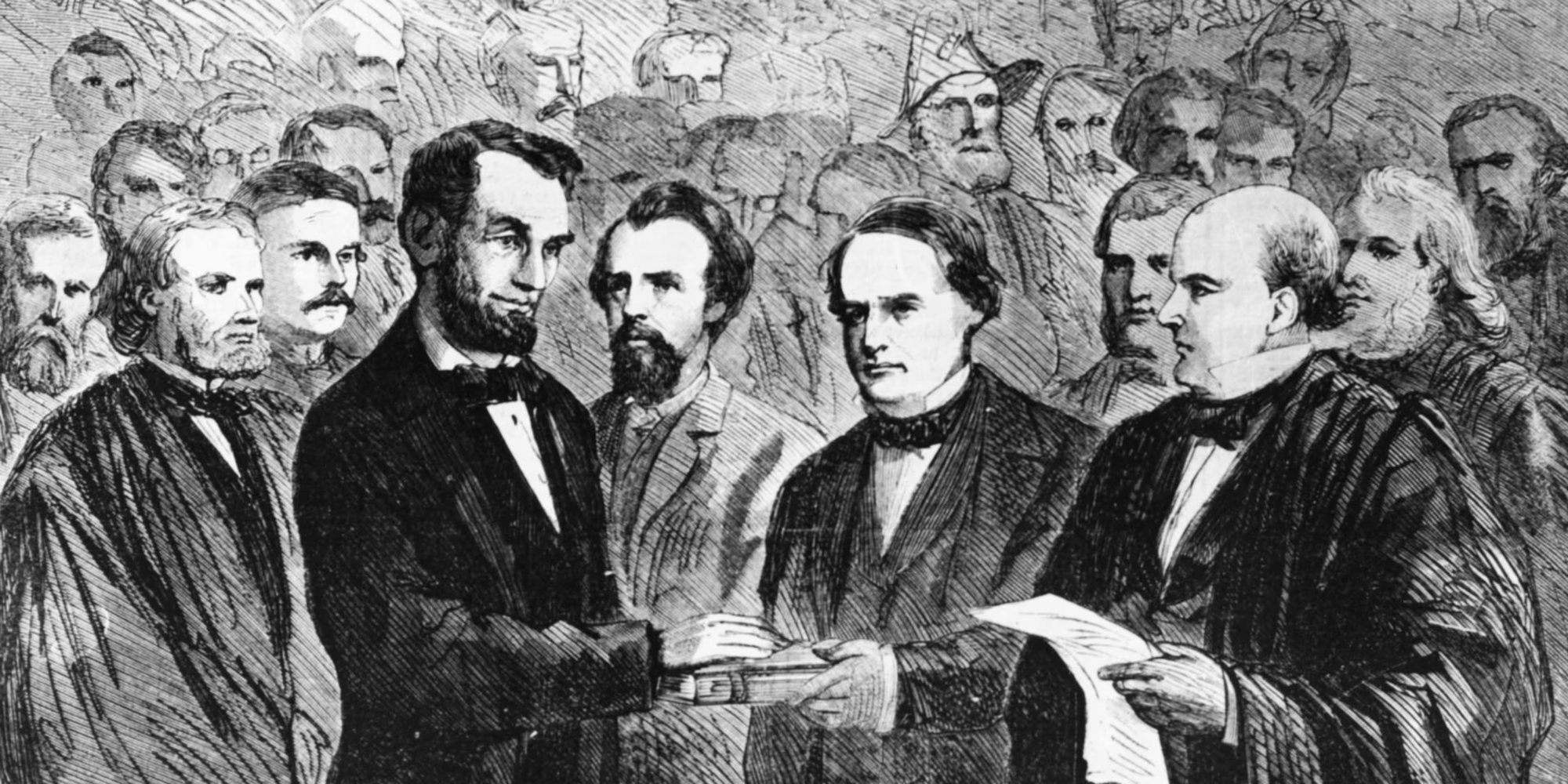
One of the most frightening feelings I’ve faced—and heard my friends describe—is the doubt over whether even our best work will have any meaningful impact on the future. The seeming insurmountability of the challenge at hand naturally leads us all to wonder if it’s even worth taking on. But I want to take some inspiration from democracies here—from voting, their most fundamental feature. Millions of people vote across thousands of elections, and the counterfactual impact of any one vote seems almost negligible in the aggregate. Yet I find a certain sense of inspiration in voting. In 1864, nearly four years into the deadliest conflict on American soil, Lincoln somberly wrote the Blind Memorandum, asking his cabinet to sign an unread document, which committed him to working with a future administration if he lost. Yet Union voters, especially soldiers casting ballots from the field, reelected him on a platform to fight the war to its bitter end. People have marched, gone to jail and died for the right to cast a vote that, counted alone, changes almost nothing, because what they wanted was a say in their own future. And every election ever won was won by exactly such votes, each one negligible, and all of them together decisive enough to alter the path of history.
Who has a say in this future
So ask yourself this. If 1.6 billion people around the world still decided to vote in 2024 when the impact of one vote is so low, what is stopping you from working on AI safety, a field of fewer than ten thousand people? I concede that this is not a perfect example, since working on AI safety takes orders of magnitude more effort, time and energy than a vote does. But nearly anyone can vote, so each of us owes an hour. Very few people can do this work, so, I argue, those who can owe far more.
The obligation of knowing
And who can? I think you are one of them.
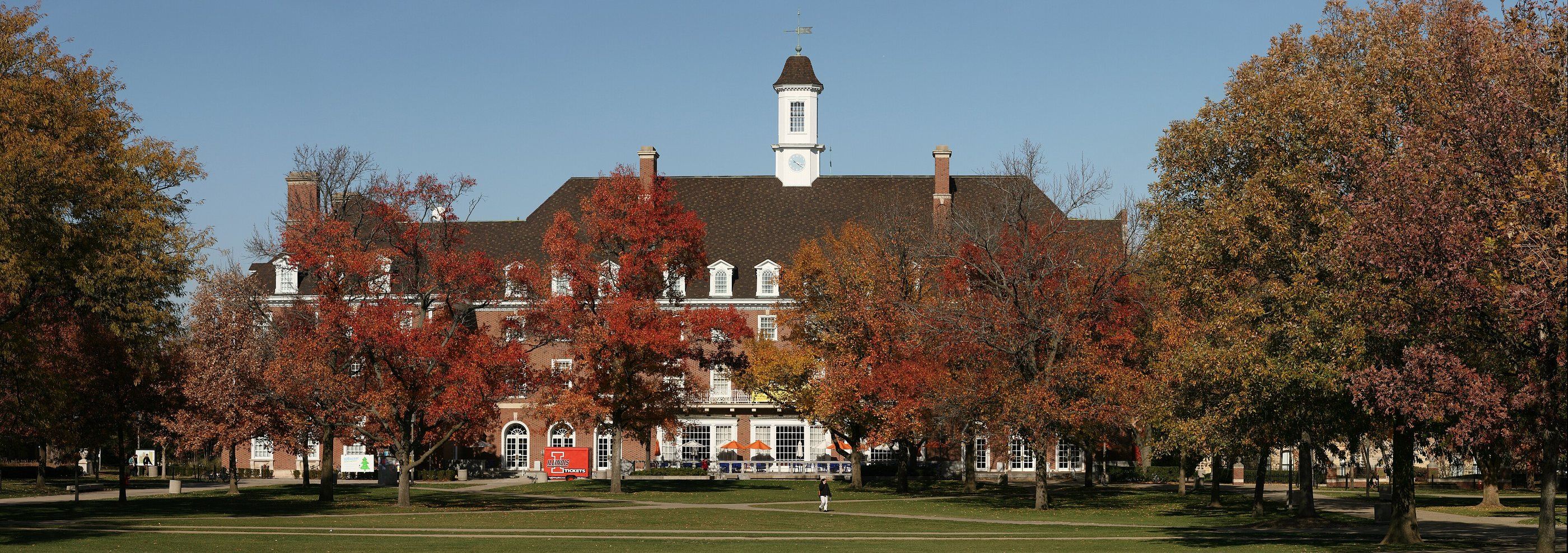
Consider the fact that you are reading this at all. On a campus of 61,060 students, I’d estimate that 500 to 1,500 people know the meaning of words like x-risk, p(doom) and lightcone. Moreover, you are open enough to consider the stakes at hand here! It is still rare to be seriously AGI/ASI-pilled—most people put AI in one of a few buckets, and to name some of the most common ones, it is just a chatbot that writes essays and fixes code, a bubble that will burst at any moment, or at most a threat to the job market. I want to congratulate you for seriously thinking, for taking the time to think beyond the first-order effect. Truly, thank you. Finding peers like you who take this seriously has been one of the greatest joys of running AI Alignment @ Illinois.
But I have to ask more of you. Why? Because even knowing that alignment exists is an enormous privilege, and being in even a remote position to do something about it is an even greater one. The mother of four children in Brazil, part of the 8.3 billion people alive today, will never have either, and neither will the baby born in South Sudan in 2027—one of the countless future people whose lives AI will radically change, and for whom most of what AI becomes will have been decided.
We have been granted both, in no small part by chance. And college is a special moment—we are free to pivot completely, and it is one of the few times in life when that is easy. But we must not let our good hand go to waste. The privilege of knowing about this problem must be accompanied by equally serious action. If we know, and if we can act, then you and I have a moral obligation to.
One of my favourite passages, from Leopold Aschenbrenner’s Situational Awareness, encapsulates another heavy truth.
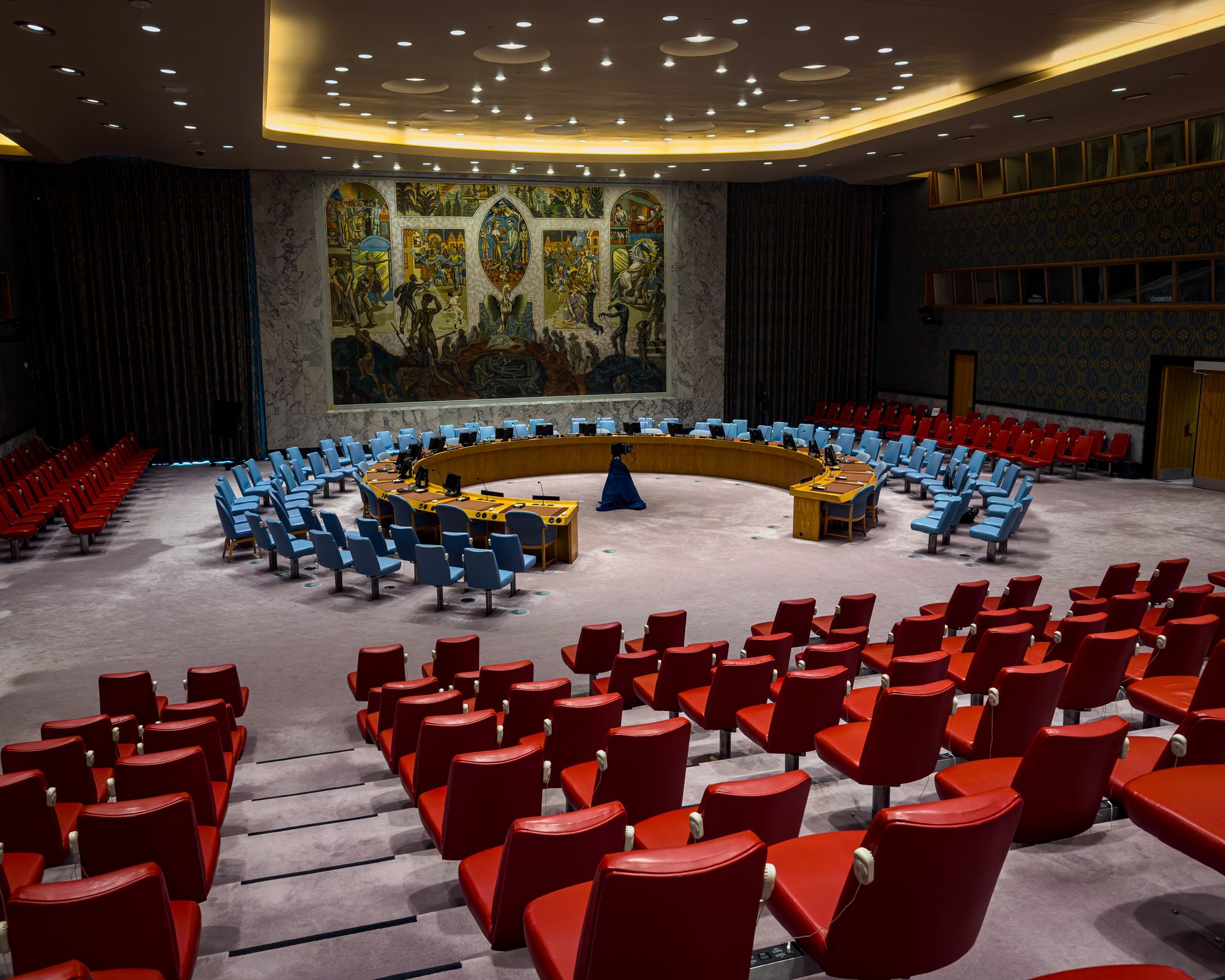
But the scariest realization is that there is no crack team coming to handle this. As a kid you have this glorified view of the world, that when things get real there are the heroic scientists, the uber-competent military men, the calm leaders who are on it, who will save the day. It is not so.
Indeed, there is no one coming to save us other than you, me and the few others with situational awareness.
I understand that this is a lot to carry all at once, but my intention is not for you to be dejected. It may feel like a burden, but I propose something else—see it as an honor. See it as a duty to humankind.
Therefore I think that all things which evoke discipline: study, and our duties to men and to the commonwealth, war, and personal hardship, and even the need for subsistence, ought to be greeted by us with profound gratitude, for only through them can we attain to the least detachment; and only so can we know peace.
After all, you have the opportunity to do the most important work any human has ever been able to do—alignment—in an incredibly short span of time! It’s practically impossible to overstate the importance of AI to all of our futures—and thus, by extension, of alignment, since so much can go wrong without it, and so much of what can go right depends on it. I stress that if we get this wrong, there might be no second chance. What we do here matters enormously—your contributions could reduce risk for the mother in Brazil, for the baby in South Sudan and for the entire lightcone.
What can I do?
What should you do about it? Mean it. Mean it like it’s your life’s work. Mean it like your life depends on it, because it might. Conduct yourself like Leo Szilard did after realizing the atomic bomb was possible. He also left an answer to the doubt over whether even our best work will matter.
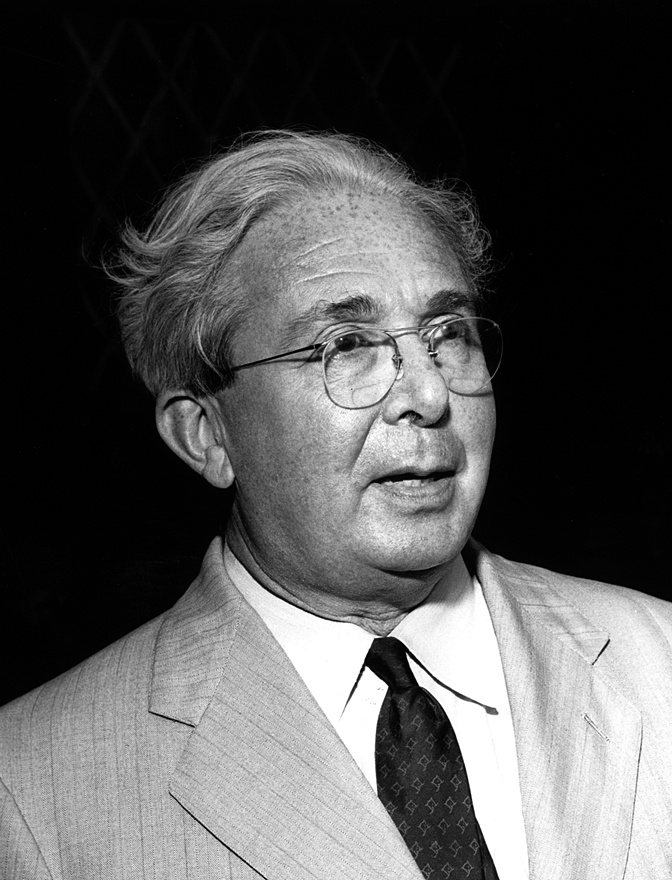
Deine Taten sollen gerichtet sein auf ein würdiges Ziel, doch sollst Du nicht fragen, ob sie es erreichen; sie seien Vorbild und Beispiel, nicht Mittel zum Zweck.
Let your acts be directed towards a worthy goal, but do not ask if they will reach it; they are to be models and examples, not means to an end.
I have made this case on more than one ground—that you deserve a say in your future, that the outcome matters enormously, and that acting on what you know is a duty—so care about whether we succeed, but do not wait for good odds before you act.
Go do it, together
It’s far easier (and more fun) to do hard things in groups, so ask your peers. This includes our exec team as well. Ask us—we love hearing from you! Some recommendations that come to my mind:
- Stuck and don’t know what to do? This is normal, and it does not imply that you’re not fit for AI safety. I’d be happy to do a one-on-one for advice, and you can also try 80,000 Hours’ free career advising (Speak with us). Some general resources you can use are AISafety.com (a directory of the field’s courses, programs and jobs) and BlueDot Impact’s free courses. The opportunities channel in our Discord and our Fundamentals curriculum are also good places to look.
- Be agentic—approach people with specific ideas and ask their advice, instead of asking them what you should be doing. It’s far easier to work with someone when they have a general direction of what they want to do than when they are waiting to be handed a task. If you don’t have that direction yet, there is nothing wrong with being stuck—that is what point 1 is for.
- Consume as much information as you can from high-quality sources—LessWrong, the Alignment Forum and arXiv are all good places to start. Ask Claude! From my experience, AI is really good at giving you recommendations, and I would highly encourage you to use Claude wherever you can to do far more. Some more targeted reading that I’d recommend would be Situational Awareness (the essay series that AGI-pilled me), AI 2040 and the “most important century” blog post series.
- Just do it—there are a lot of open questions in alignment. For a list of tasks that you can work on right now, I’d highly recommend taking a look at our bounty board, which has open technical questions along with tasks you do in policy, outreach etc. All of these fields are equally important, and if you have any problems, please reach out to me. Beyond that, reading LessWrong and AI Safety Twitter Updates are some of my preferred ways of knowing about the open questions and progress in AI Safety (for example—a recent LessWrong post inspired me to start working on how multi agent collusion emerges and whether it’s possible to replicate in open source models?).
I do not know exactly what the future holds or how the specifics will look—none of us do, not Sam Altman, not Geoffrey Hinton. What I am more certain of is that the future will be wilder than any of us imagine.
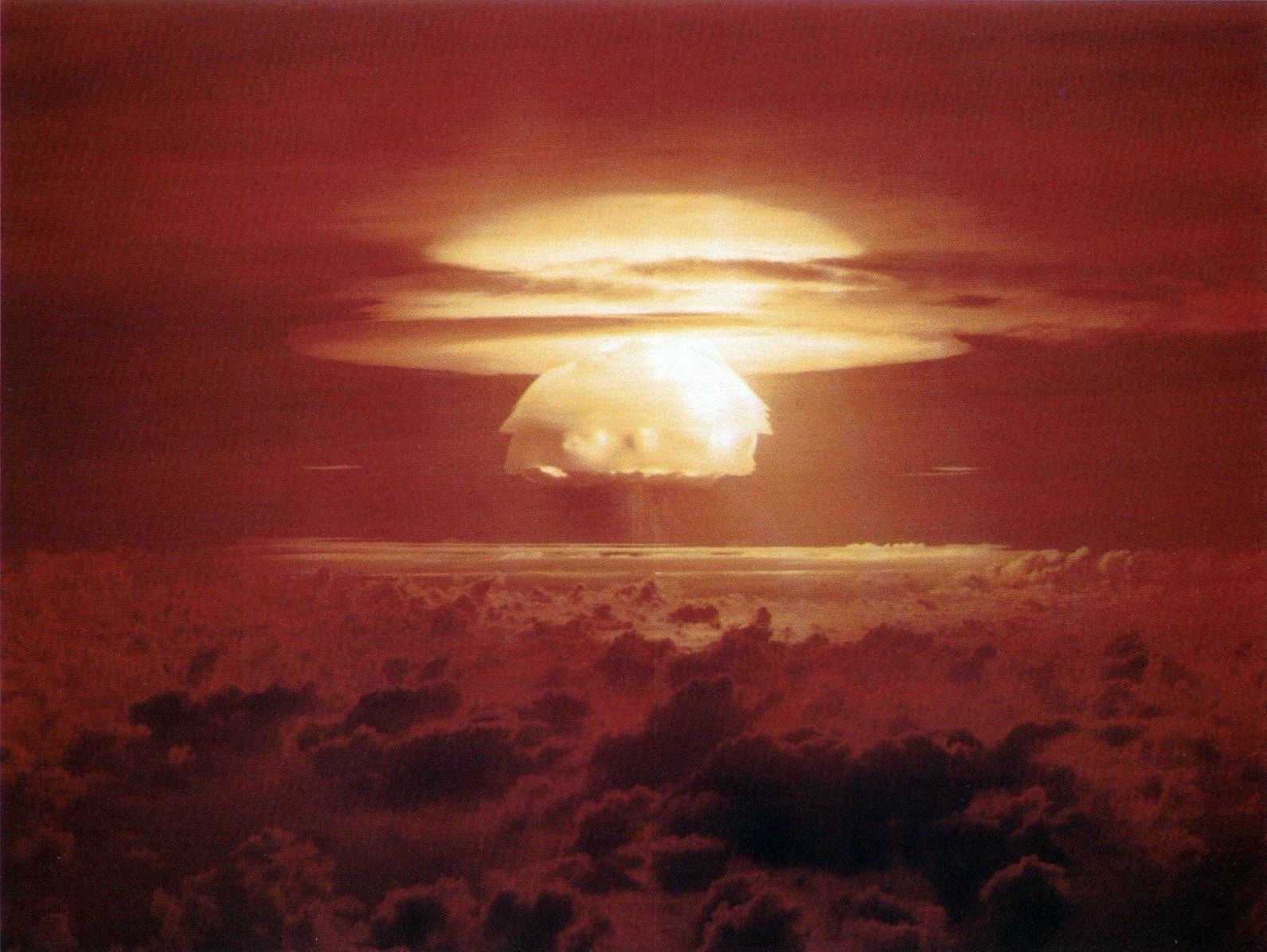
Perhaps this era is the one in which we come face to face with our Great Filter.

Perhaps it is the one in which Earth becomes the cradle of galactic civilization.
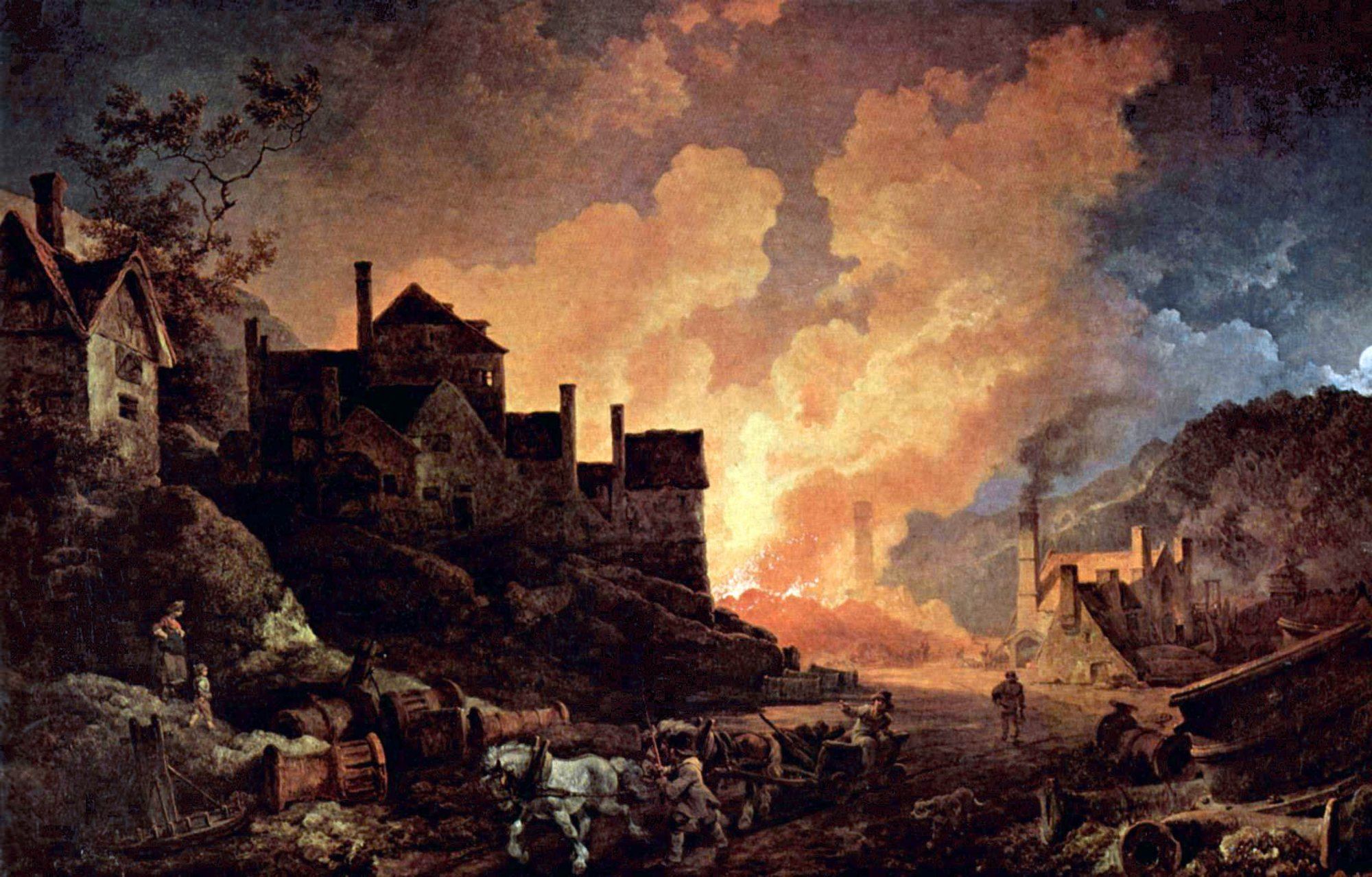
Perhaps it is the last revolution in which our stewardship still matters.

I hope this essay has inspired you, even in the slightest, to do something. If even one person reading this pivots to alignment, it was worth writing. As a closing note, please remember that you’re not alone in this. All of us are concerned about it. Please do not be discouraged, and do not succumb to the urge to give up. There’s not a lot of time and there’s a lot to be done, so the best course of action right now is to act. Act rationally, in a way that you will be proud of if we come out on the other side.
Comments
Loading comments.